Lawn Fertilization in Bryan, TX: When to Fertilize Your Lawn in 2026 for Bermuda and St. Augustine
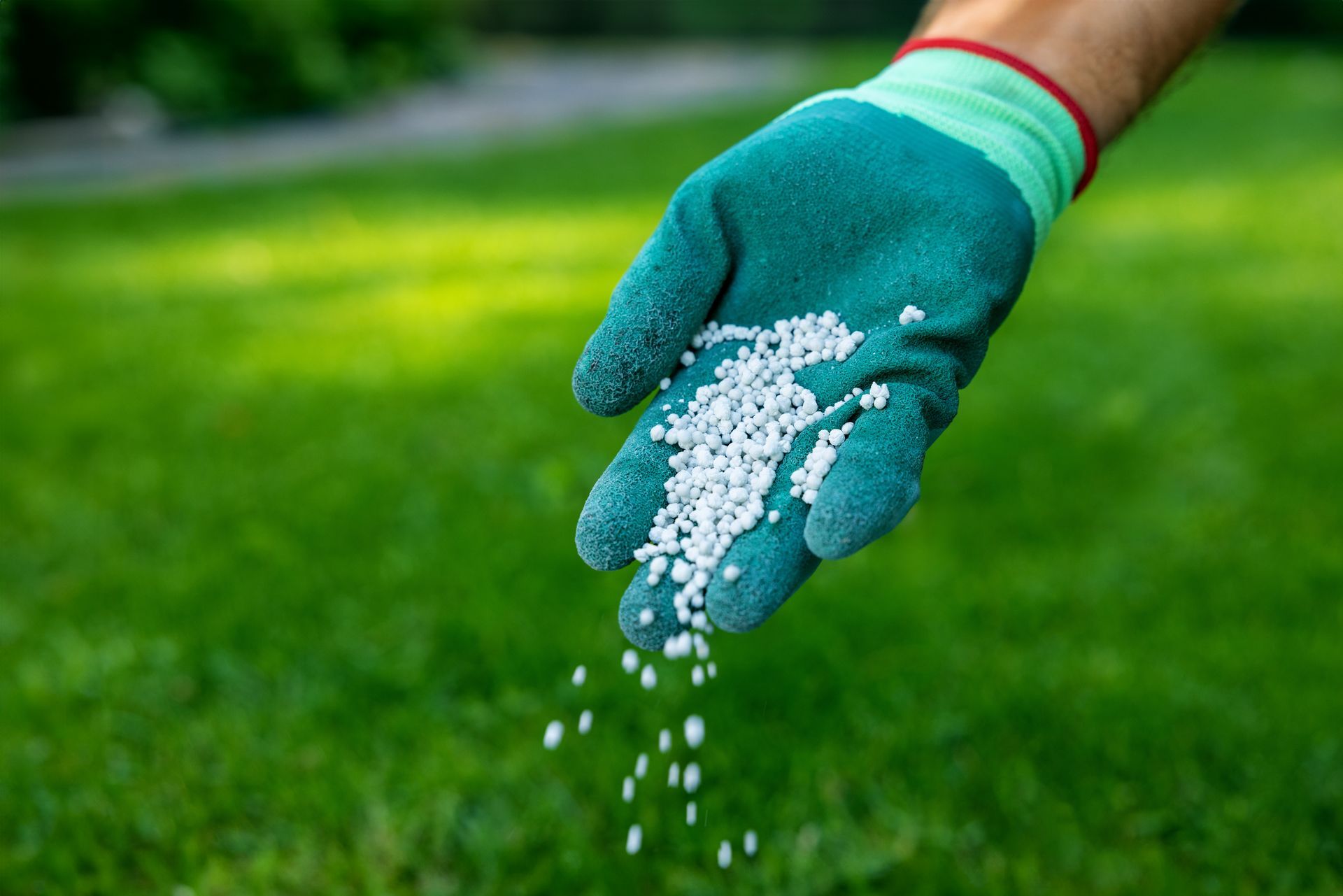
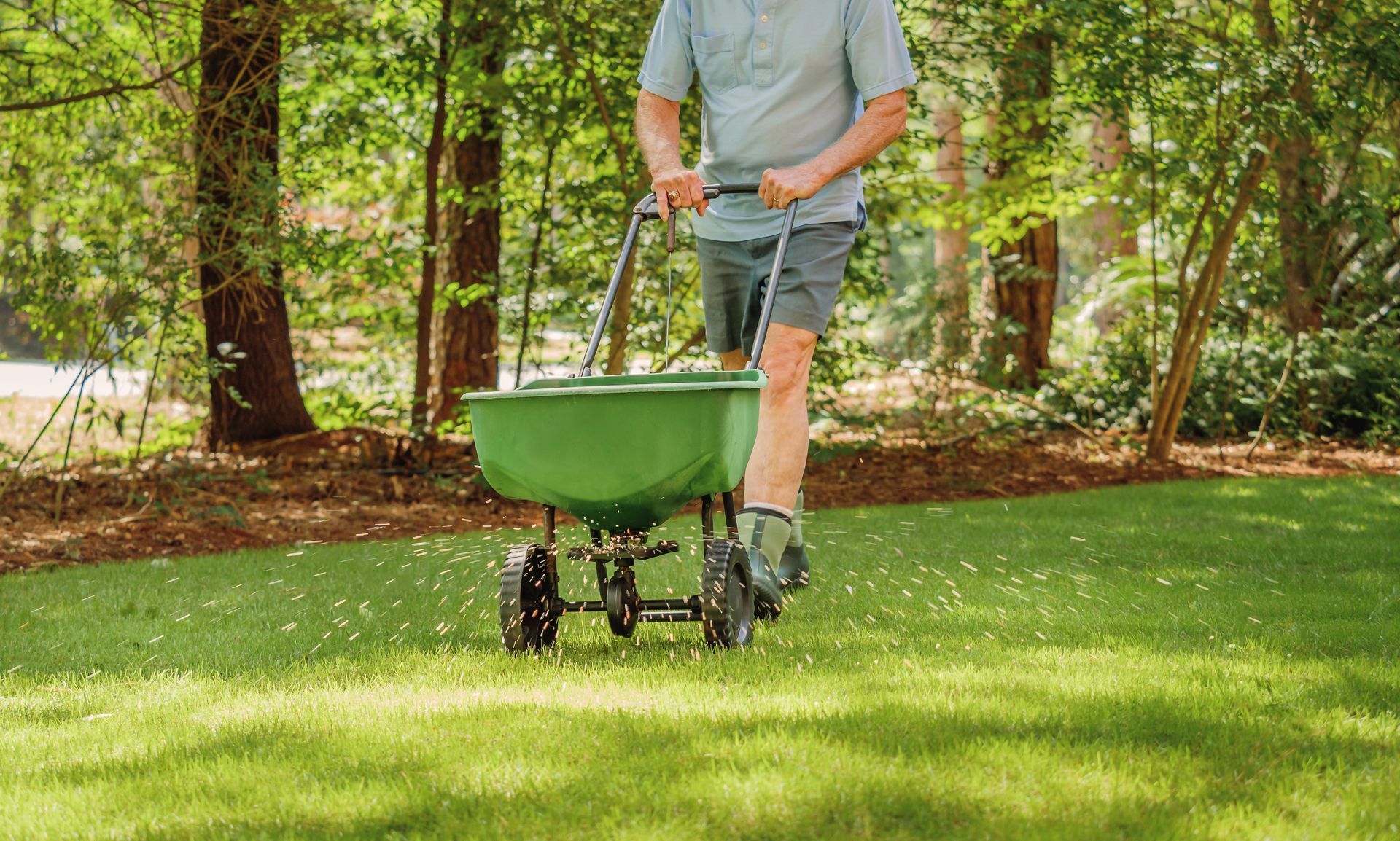
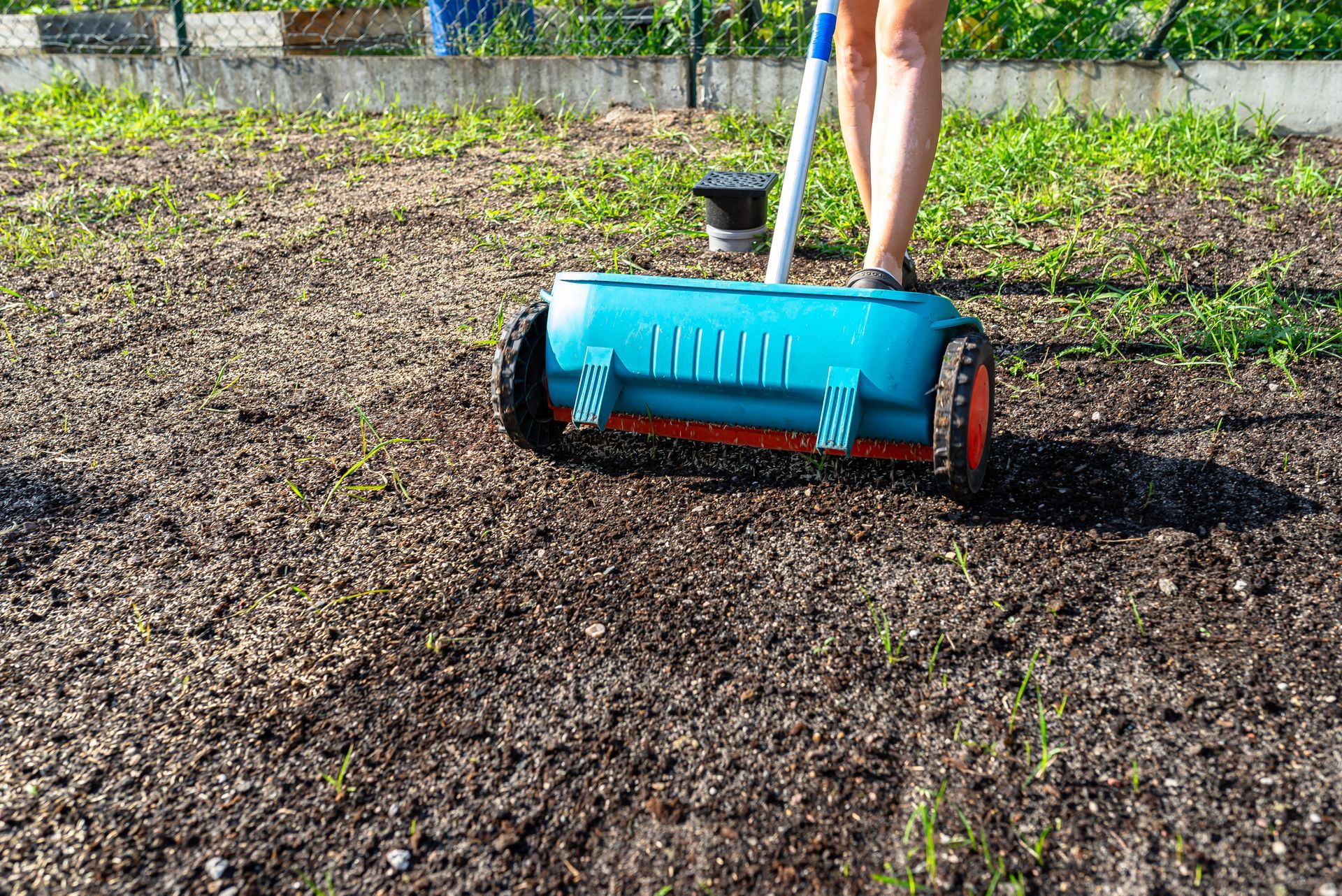
Timing your lawn fertilization correctly in Bryan, TX, can mean the difference between a thick, green yard and a patchy, struggling one all season long. Both Bermuda and St. Augustine are common warm-season grasses in the Brazos Valley, and each has its own preferred feeding schedule. This guide walks you through a full 2026 seasonal calendar so you can give your grass exactly what it needs, right when it needs it.
Why Timing Matters for Bryan, TX, Lawns
The overriding principle is simple: fertilize when your grass is actively growing, not when the calendar tells you to. Fertilizer applied to dormant or semi-dormant grass is wasted at best and damaging at worst.
Bryan sits within Brazos County on the edge of the Blackland Prairie, where soils tend to be alkaline clay. These soils can tie up essential nutrients like iron and sulfur, so fertilizers enriched with these micronutrients promote a deeper green color and healthier growth. Soil temperatures in Bryan typically climb into the active-growth range by mid- to late spring, which sets the true starting gun for your feeding program.
The 2026 Seasonal Fertilization Schedule
A reliable lawn fertilization schedule for Bryan, TX, follows four distinct windows.
Spring Green-Up (March to Early April)
Spring is the most important fertilization window of the year. For Bermuda, wait until you see at least 50 percent green-up across the lawn. Applying too early feeds winter weeds rather than your turf. For St. Augustine, iron supplements can deliver a deeper green color without encouraging excessive growth, which is a useful option for shaded Bryan yards where St. Augustine tends to thrive.
Early Summer Maintenance (May to June)
As temperatures rise, a second round of fertilization in May or June fortifies your grass against heat stress. Use a slow-release nitrogen fertilizer to provide sustained nutrition and avoid thatch buildup. Bermuda can generally handle more nitrogen during this period. St. Augustine benefits from lighter applications paired with an iron supplement, requiring only about 2 to 3 pounds of nitrogen per 1,000 square feet annually.
Fall Prep (September to Early October)
Fall fertilization helps your lawn build reserves before dormancy. Fall feeding helps grass recover from summer stress, builds carbohydrate reserves in roots, and fuels faster spring green-up the following year. Use a low-nitrogen, high-potassium formula to strengthen roots without forcing excessive top growth. Bryan typically sees its first frost risk in late November, so wrapping up fall applications by early October gives your lawn time to harden off safely.
Winter Dormancy (November through February)
Both Bermuda and St. Augustine go dormant when soil temperatures drop below roughly 55 degrees Fahrenheit. Fertilizing during full dormancy offers no benefit and can encourage tender growth that gets damaged by cold snaps. Use this window to plan your spring program instead.
What Are the Signs of Over-Fertilization?
Over-fertilizing can cause as much damage as neglecting your lawn. Browning at the tips of grass blades is one of the earliest signs of fertilizer burn. High nitrogen levels draw moisture out of plant cells, causing edges to dry out and turn brown.
Other warning signs include yellowing or wilting blades even when soil has moisture, a white crusty residue on top of the soil indicating salt buildup, nutrient lockout where excess levels of one nutrient block absorption of others, and unusually rapid soft growth that invites fungal disease. In Bryan, this is especially relevant during July and August when daytime highs regularly push well above 90 degrees.
How Does Soil Testing Help in the Brazos Valley?
A soil test takes the guesswork out of fertilization timing and product selection. Brazos County soils often carry naturally high phosphorus levels, which means standard "Southern blend" products sold at big-box stores may not match local conditions. Soil testing evaluates pH and nutrient levels so applications can be customized to prevent over- or under-fertilizing. The Texas A&M AgriLife Extension office in College Station offers low-cost soil testing that accounts for Brazos Valley conditions specifically.
How Do Professional Fertilization Programs Handle Timing?
Professional programs remove the guesswork by building the seasonal schedule for you. A trained technician monitors soil temperatures, grass activity, and local weather patterns to determine the right application window. Professionals tailor treatments to your specific turf by analyzing soil composition, grass type, and environmental factors. This approach is especially valuable during Bryan's unpredictable late-winter warm spells, which sometimes prompt homeowners to fertilize too early.
Get Professional Lawn Care Support Serving Bryan, TX
A well-timed lawn fertilization program is one of the most impactful things you can do for your yard this year. Whether you have Bermuda in a sunny front yard or St. Augustine filling a shaded backyard, the schedule above can serve as your seasonal roadmap. If you would rather have a local expert handle the timing, product selection, and application, Binford Insect Control Services serves Bryan, TX, and surrounding Brazos Valley communities with customized lawn fertilization and weed control programs.
Visit the lawn care service page to learn more about what a professional program covers, or reach out through the contact page to request a free estimate. You can also call (979) 822-5524 to speak with a team member directly.
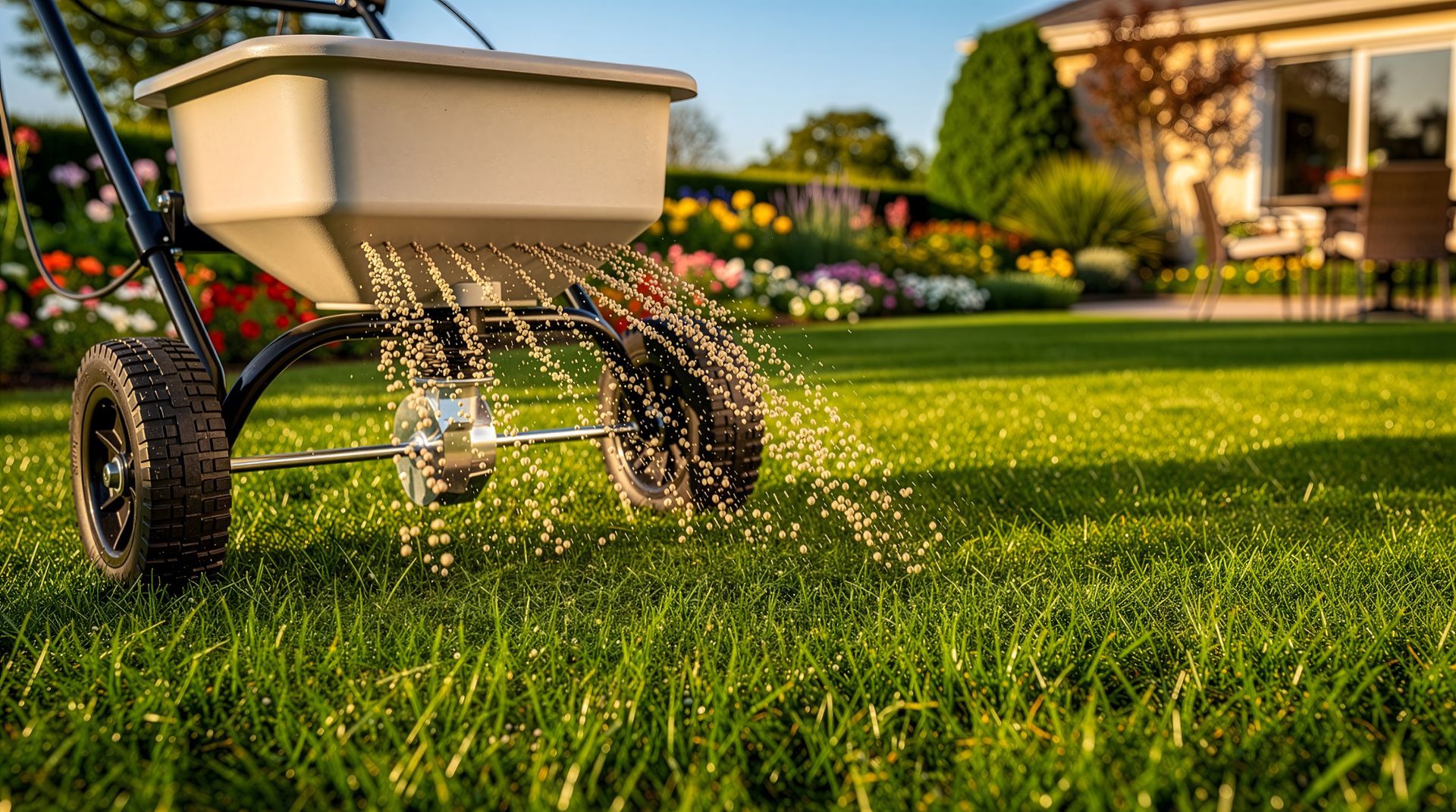
Lawn Fertilization Schedule for Bryan, TX: When to Fertilize Bermuda, St. Augustine & Zoysia in 2026